
This is the second instalment in a series where I am tearing down the sound of my biggest musical influences. The goal is to reverse-engineer their sonic signatures so I can integrate those operational techniques into my own hybrid studio workflow.
After diving into the cavernous void of dub techno, it is time to pivot to the dancefloor. We need to talk about tech-house.
Let me clarify immediately: I am not talking about the modern iteration of “tech-house.” Today, that label has been hijacked to describe high-energy pop-house tracks driven by massive snare rolls, squeaky vocal samples, and aggressive EDM-style drops.
I am talking about the original, subterranean UK sound from the late 90s and early 2000s. I am talking about Wiggle.
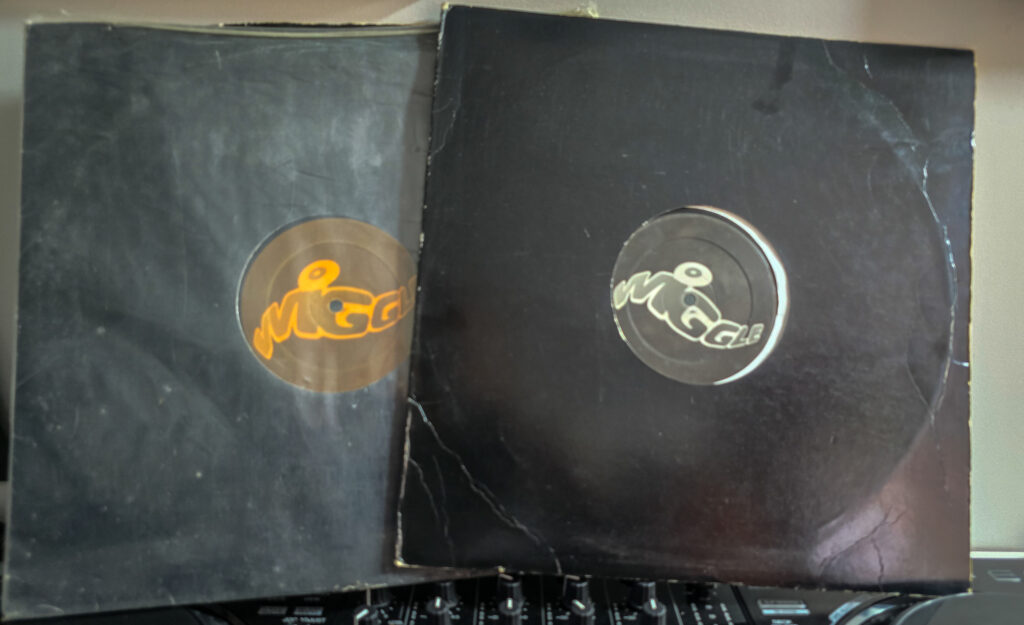
Pioneered by legends like Terry Francis, Eddie Richards, and the late, great Nathan Coles, the Wiggle sound is the absolute foundational blueprint of proper tech-house. In fact, my own foundational skills were built on their work. I literally learned how to beatmatch using two specific records from that era: Terry Francis & James Wickison’s Boombox, and Gideon Jackson’s Hardcore Player. I spent hours in my bedroom, physically working that vinyl, trying to lock the grooves together. I play them back now, and they have, sadly, lost a lot of their top end due to groove wear. But they still sound fantastic to me!
Because I spent so much time intimately riding those specific tracks, the mechanics of how they were built became permanently burned into my brain. If you want to strip away the modern fluff and get back to the dark, rolling, hypnotic sound that actually built the genre, you have to understand the specific operational discipline required to make a track groove without a drop.
The Marriage of Two Machines
To understand the Wiggle sound, you have to understand what the genre actually was before it became a marketing buzzword.
In the late 90s, the underground scene was heavily segregated. You had the mechanical, relentless, aggressive drive of Detroit techno in one room, and the organic, swinging, soulful groove of US house music in the other.
The UK tech-house pioneers essentially hot-wired these two machines together. They took the raw, synthesized sound palette of techno—the dark Roland SH-101 basslines, the metallic 909 percussion, the mechanical repetition—and injected it with the loose, syncopated swing of deep house.
The result was music that felt synthetic and futuristic, but moved with an undeniably human swagger.
The Rhythmic Engine: Ghost Notes and MPC Swing
If you try to build an original tech-house track by snapping all your MIDI notes perfectly to a 16th-note grid in Ableton Live, it will sound terrible. It will sound stiff, robotic, and lifeless.
The absolute core of the Wiggle aesthetic is the swing. It is all about the ghost notes—the tiny, heavily velocity-reduced percussive hits that sit quietly in the spaces between the main kicks and claps.
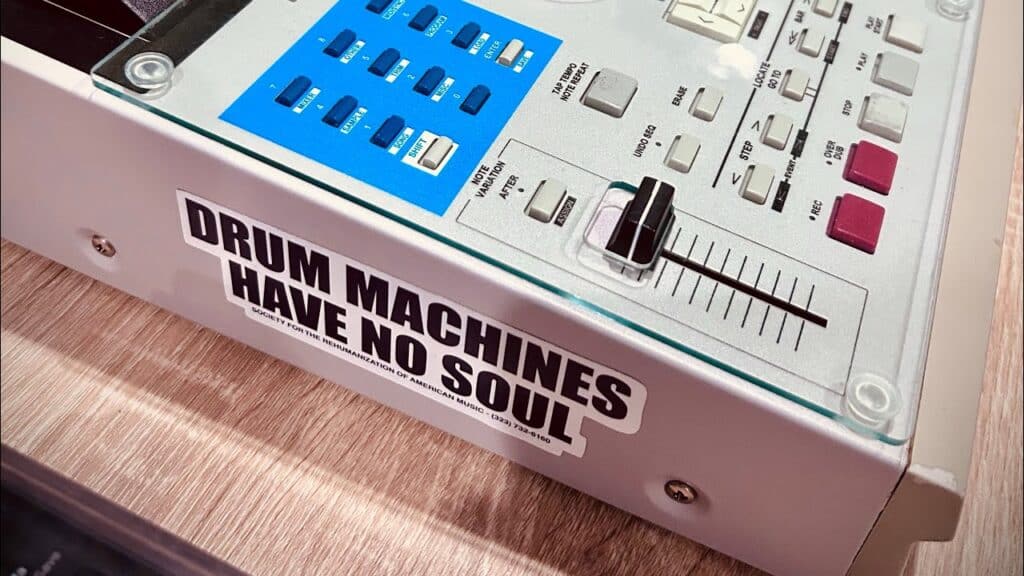
In the early days, this swing was largely a product of the hardware samplers being used, specifically the Akai MPC series. The MPC had a distinct, slightly imperfect timing algorithm that gave programmed drums a natural “pocket.”
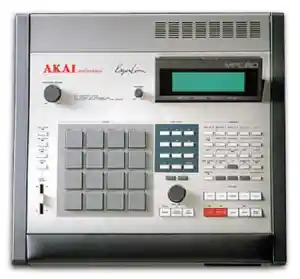
To replicate this today, you have to get your percussion off the grid. You start with a solid, punchy 909 kick drum on the quarter notes. But the hi-hats, shakers, and synthetic rimshots need to be nudged slightly late. You use heavy velocity programming—where some hi-hat hits are loud, and others are barely a whisper—to create a physical sense of momentum. The track should feel like it is constantly tumbling forward, rolling endlessly without ever losing its balance.
The Subterranean Bassline
In modern dance music, the bassline is often the absolute centre of attention, distorted and shoved right to the front of the mix. In original tech-house, the bassline is a submarine. It operates almost entirely below the surface.
The classic tech-house bass is usually a simple square or sine wave, often generated by an analog synth like a Roland SH-101 or a Moog. The critical operational technique here is the aggressive use of a low-pass filter. The high frequencies of the synth are almost entirely rolled off, leaving nothing but sub-frequencies and a tight, muffled transient pluck.
It is not meant to be heard on a smartphone speaker. It is designed specifically to interact with a massive club PA.
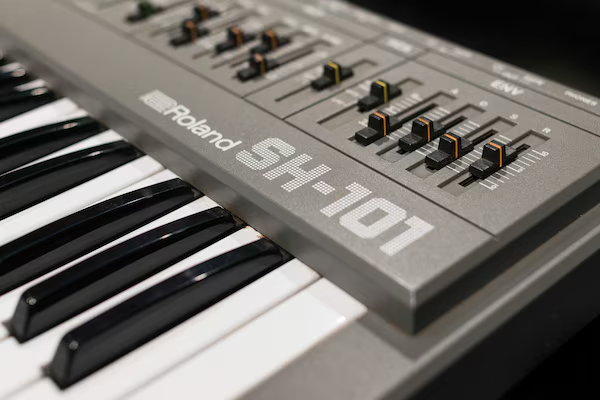
Rhythmically, these basslines rarely coincide with the kick on the downbeat. They are heavily syncopated, playing off-beat to create a push-and-pull relationship with the drums. When the kick drum hits, the bass is silent; when the kick drum stops, the bass fills the void. This creates a relentless, churning low-end groove that locks the dance floor into a trance without them even realising why they are moving.
Trippy Textures and the Late-Night Vocal
While dub techno uses delay to create infinite space, old-school tech-house uses effects to introduce weirdness. The Wiggle parties were famous for being slightly trippy, late-night affairs, and the music heavily reflected that.
You will rarely find a pop-style diva vocal on a 1999 tech-house record. Instead, the vocals are usually spoken-word snippets, weird cinematic dialogue, or muffled, rhythmic chants.
A staple studio technique of this era involves heavy time stretching and pitch manipulation. Producers would take a vocal sample and pitch it down several octaves until it became a sinister, androgynous drawl. They would then run that vocal through automated phasers, flangers, or short, metallic delays to make it sound alien.
These trippy textures are used sparingly. They are not the hook of the song; they are just atmospheric ear-candy designed to occasionally poke out of the rolling groove, disorient the listener for a fraction of a second, and then disappear back into the mix.
Arranging for the DJ
Perhaps the most important operational aspect of the Wiggle sound is the way the tracks were arranged.
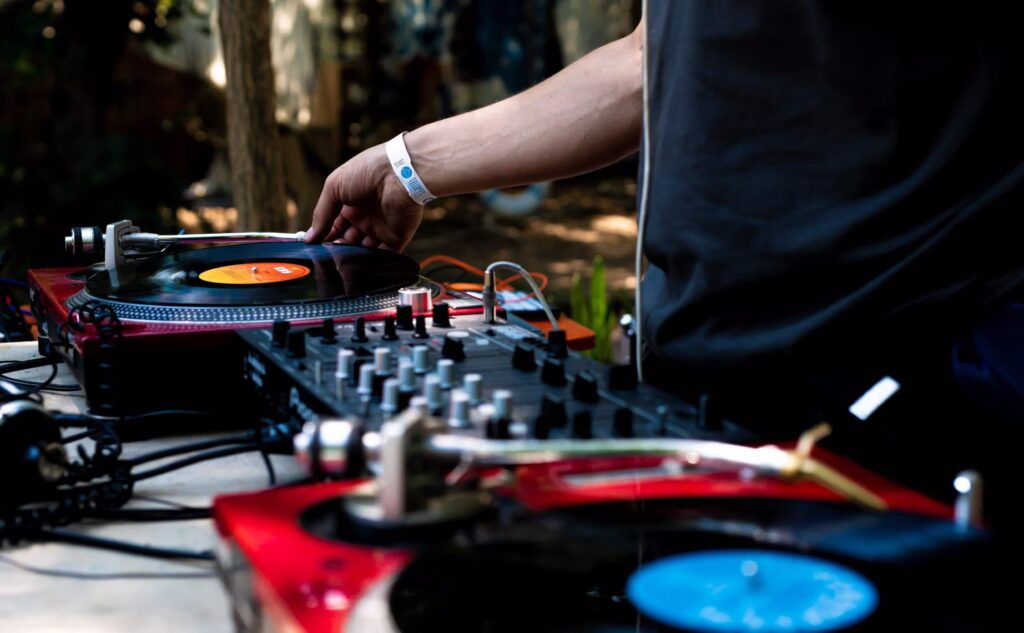
When you learn to beatmatch on these records, you quickly realise they were built by working DJs, for working DJs. DJs in the mix, on vinyl. There are no sudden, 16-bar white-noise risers followed by a dead drop in the music. Those structural elements ruin the flow of a multi-deck DJ set.
Instead, the tracks are built on long, subtle, 32-bar evolutions. Elements are introduced gradually. A hi-hat pattern might subtly open up over the course of two minutes. A filtered synth line might slowly rise out of the mud and then gently sink back down.
The arrangement is designed to overlap. The producer expects the DJ to have two or three records playing simultaneously, using the mixing desk’s EQs to weave the bassline of one track into the percussion of another.
The Danger of the High-Pass Filter
Modern producers are terrified of a muddy mix, so they high-pass filter everything except the kick and the sub-bass. While this makes for a clean track on Spotify, it often ruins the warmth of underground dance music. Early tech-house producers were mixing on analog hardware desks and recording to tape or DAT. They allowed low- to mid-frequencies to bleed and interact, resulting in a thick, dense mix that felt incredibly weighty on a physical sound system. Sometimes, a little bit of mud is actually the glue holding the groove together.
The Takeaway for the Modern Studio
If you want to capture the magic of the early Wiggle releases in a modern hybrid studio, you have to exercise extreme restraint.
You have to resist the urge to fill every frequency band with sound. Let the drum groove breathe. Apply a heavy MPC-style groove template to your MIDI clips. Low-pass filter your basslines until they rattle the floorboards rather than pierce your ears.
Most importantly, you have to stop trying to write “anthems” and get back to writing “tools.” The beauty of the original UK tech-house sound wasn’t about putting your hands in the air for a drop; it was about getting your head down and locking into a rolling, undeniable groove at 4 in the morning. And that is exactly the energy I am pulling back into my own hardware sequencing today.